

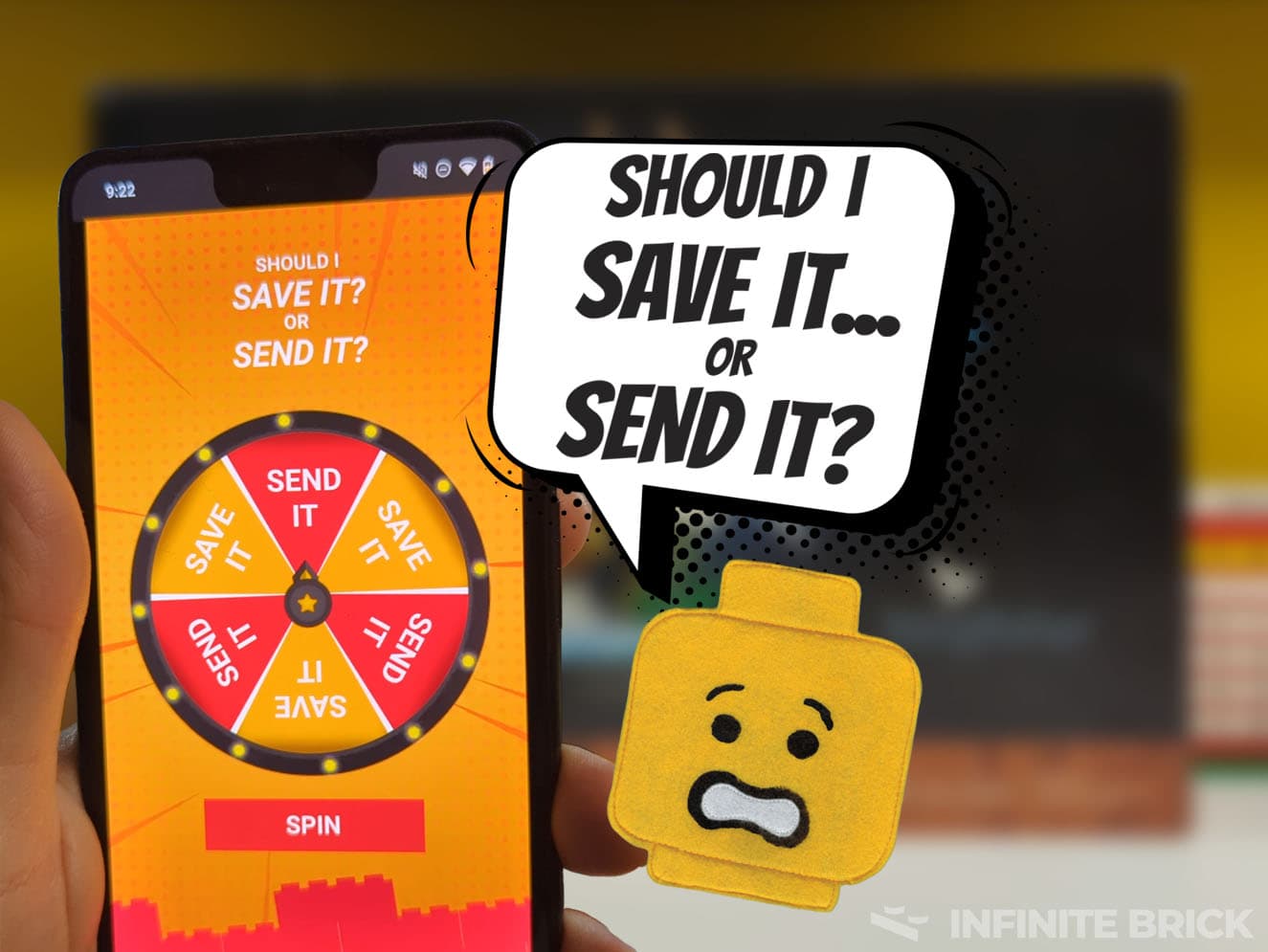
Over the past 30 episodes of a YouTube Shorts series I created called “Save It or Send It” (SISIOSI), I’ve been letting a random spinner decide the fate of long-forgotten LEGO sets from my backlog.
Each short resolves one decision.
One spin… and a verdict.
If you haven’t seen Series 1 yet, you can watch the full Series here.
On the surface, it’s simple:
Should I save it… or send it?
“Save” means it stays in the collection.
“Send” means it leaves the house.
But after 30 episodes, it’s become clear the spinner isn’t really the point.
The Backlog Problem
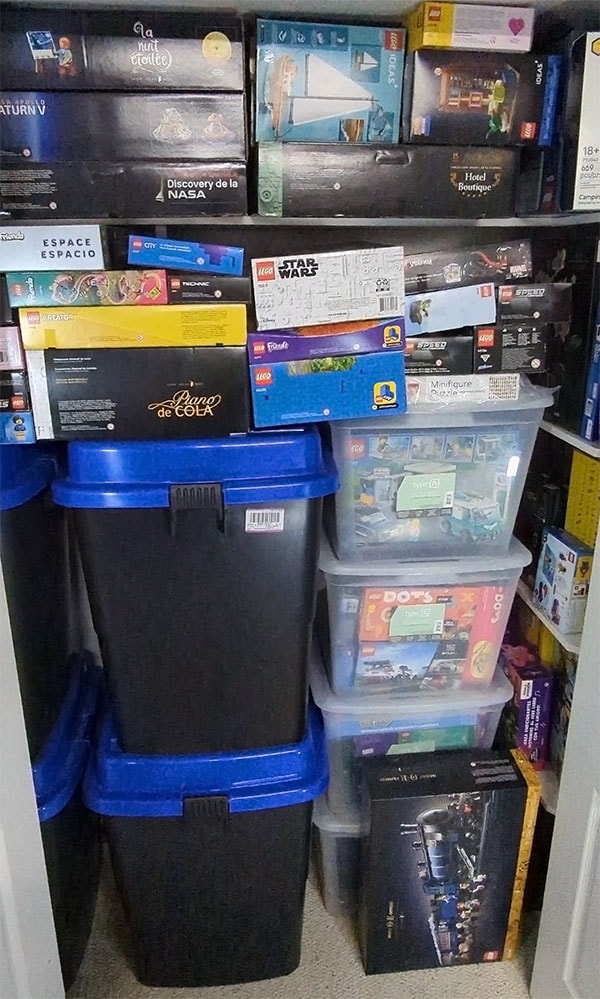
If you’ve been collecting LEGO for any length of time, you probably have one too.
A shelf.
A closet.
A stack of boxes that haven’t seen daylight in years.
Some were impulse buys.
Some were “future builds.”
Some were “for my kids”… no, really!
Some were too good a deal to pass up.
Some were saved for a rainy day that never quite arrived.
At some point, collecting quietly turns into storing.
The longer a set sits unopened, the more complicated it becomes.
It’s no longer just a box.
It represents:
- The version of you who bought it
- The future version of you who was going to build it
- The quiet awareness that the plan never became action
The backlog becomes emotional inventory… and emotional inventory is hard to sort.
You can rationalize almost anything:
“I’ll build it eventually.”
“It might retire soon.”
“It could be worth more later.”
“It would look good next to __.”
Maybe.
But maybe it’s just taking up space.
The Inflection Point
For me, the tipping point came after Christmas.
More LEGO came into the house: gifts, shared excitement, the kind of influx that happens when the whole family are fans.
But the backlog closet didn’t grow with it.
And that raised a question I’d been quietly avoiding:
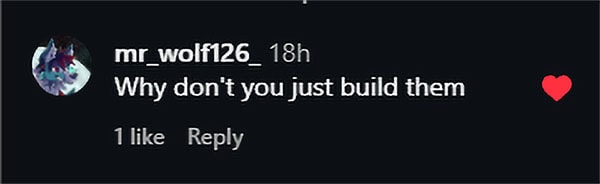
Why don’t I just build them?
It’s a fair question. I’ve seen it in the comments.
The honest answer is simple: time.
Buying a set takes minutes.
Building it takes hours.
Starting a family reshapes your schedule in ways you can’t anticipate. The margin disappears. Even meaningful hobbies get deferred.
Meanwhile, accumulation doesn’t stop.
For years, there was input with very little output.
Boxes came in.
Very few left.
Fewer still were built.
Eventually, that imbalance catches up with you.
And that’s where SISIOSI came from.
Yes, it became a series.
But first, it was an experiment.
Not to create content.
But to restore balance.
To bring input and output back into alignment.
Why the Spinner?
Once that experiment began, I had a choice.
I could design a system that protected my favourites.
Or I could design one that challenged me.
I chose the latter.
Value gets mentioned.
Forecasts come up.
The collector brain negotiates… and justifies.
But the final decision isn’t derived from any of that.
It lives in the moment the spinner stops.
The spin doesn’t decide for me.
It reveals me.
That split-second reaction: relief, disappointment, surprise… tells me more than any spreadsheet ever could.
If it lands on SEND and I immediately want to override it?
That’s information.
If it lands on SAVE and I hesitate?
That’s information too.
Some sets I thought I understood revealed something different in the moment.
The Intervention Mechanic
There’s one escape hatch.
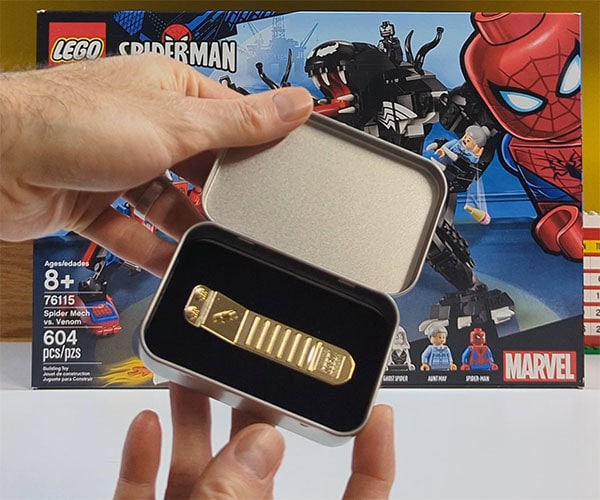
A chrome brick separator, fittingly dubbed “The Separator”, that allows me to defy the spinner… but only a handful of times.
Every time I use it, it costs something.
Not financially.
Emotionally.
Because it forces me to admit:
This isn’t about randomness anymore.
This is about attachment.
As the episodes progressed, those overrides became heavier.
Not strategic.
Personal.
What “Send It” Actually Means
“Send It” means release.
It might mean:
- Selling
- Donating
- Gifting
- Trading
- Funding something new
LEGO is physical.
Space is physical.
Time is finite.
Every box I keep is a decision about how that space and time will be used.
Sending something on doesn’t diminish it.
It simply acknowledges that it may belong somewhere else.
Patterns I Didn’t Expect
After 30 episodes, a few things became clear.
Nostalgia isn’t consistent.
Value doesn’t always equal attachment.
And the reaction in the moment matters more than the plan you made years ago.
Perhaps most importantly:
Decisions compound.
One SEND makes the next one easier.
One SAVE raises the bar for the next.
The backlog shrinks… but the standard rises.
What Happens Next
Series 1 settled 30 decisions.
It didn’t eliminate the backlog, but it clarified it.
Future episodes won’t be constrained by “unique theme streak” ambitions, only by the spin.
The goal isn’t escalation for its own sake.
It’s sustainability.
This was never about clearing shelves quickly.
It was about collecting intentionally.
Zooming Out
Infinite Brick has always been about curation.
Not accumulation.
Not hype.
Not endless “more.”
Just thoughtful decisions made by people who genuinely care about LEGO; across display, accessories, creators… and our own collections.
SISIOSI is that idea applied inward.
Before telling anyone what’s worth buying,
it felt right to decide what’s worth keeping.
The Spinner Isn’t Done
The backlog isn’t gone.
And the next spin will land whether I’m ready or not.
You can watch the full Series 1 here.
If you want to follow where this goes next, you can join the Infinite Brick Insider. Insiders get updates as the series evolves and as Infinite Brick continues to grow.
One spin at a time.
Truly looking forward to this next adventure. I love that this has made such an impact on you and those that watch. Keep up the great work!
Dean, that genuinely means a lot, especially coming from someone who’s been following this from early on.
It’s been interesting to see how something that started as a personal reset has resonated with others. Looking forward to seeing where it goes next.